In modern residential homes, comfort is more than just a luxury—it’s an expectation. From hot summer afternoons to cold winter nights, homeowners rely on their HVAC systems to maintain a consistent and comfortable indoor environment. HVAC, which stands for Heating, Ventilation, and Air Conditioning, encompasses the systems responsible for regulating temperature, controlling humidity, and ensuring proper air quality. Understanding the basics of residential HVAC systems, their components, and maintenance needs can help homeowners optimize performance, improve energy efficiency, and extend the lifespan of their equipment.
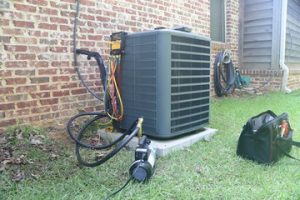
At the core of any residential HVAC system is the heating component. Heating can be provided through several methods, including furnaces, boilers, and heat pumps. Furnaces are among the most common heating systems in homes, using fuel sources such as natural gas, propane, or electricity to generate warm air, which is then circulated through ductwork. Boilers, on the other hand, heat water to provide either radiant heat through flooring or hot water to radiators. Heat pumps serve a dual function, providing both heating and cooling by transferring heat between indoor and outdoor spaces. The choice of heating system often depends on factors such as climate, energy costs, and the specific layout of the home.
Cooling is the second critical function of an HVAC system. Air conditioning systems work by removing heat and moisture from the indoor air, providing relief during warm seasons. Traditional central air conditioning systems rely on refrigerant cycles, compressors, and air handlers to distribute cool air through ducts. Ductless mini-split systems have become increasingly popular in homes without existing ductwork, offering efficient and flexible cooling for individual rooms or zones. Regardless of the method, proper installation and maintenance are essential to ensure the system operates efficiently and delivers consistent comfort throughout the home.
Ventilation is the often-overlooked component of HVAC systems but is just as vital as heating and cooling. Proper ventilation ensures that stale indoor air is replaced with fresh air, reducing the buildup of pollutants, allergens, and moisture. Modern HVAC systems incorporate ventilation strategies such as energy recovery ventilators, exhaust fans, and controlled duct systems to maintain a healthy indoor environment. Without adequate ventilation, homes may experience issues such as mold growth, poor air quality, and uneven temperature distribution, all of which can compromise comfort and safety.
One of the most important considerations for residential HVAC systems is energy efficiency. A well-designed system not only maintains comfort but also reduces energy consumption and utility costs. Modern HVAC units are rated based on efficiency metrics such as SEER (Seasonal Energy Efficiency Ratio) for cooling and AFUE (Annual Fuel Utilization Efficiency) for heating. Choosing a system with high-efficiency ratings can significantly lower energy bills while providing consistent performance. Additionally, integrating programmable or smart thermostats allows homeowners to schedule temperature adjustments, further optimizing energy use without sacrificing comfort.
Maintenance plays a crucial role in the performance and longevity of HVAC systems. Regular maintenance includes tasks such as inspecting and cleaning components, checking refrigerant levels, replacing air filters, and examining ductwork for leaks or obstructions. Scheduling annual professional inspections ensures that potential issues are identified early, preventing costly repairs and ensuring that the system operates at peak efficiency. In addition to professional maintenance, homeowners should monitor the system regularly and perform simple tasks such as filter replacement every 1–3 months, depending on usage and household conditions.
Zoning is another factor that can enhance the efficiency and comfort of residential HVAC systems. Zoning involves dividing the home into separate areas or zones, each with its own temperature controls. This approach allows homeowners to adjust heating and cooling based on individual room needs, reducing energy waste in unused spaces. For example, bedrooms may be kept cooler at night while living areas remain warm, or certain floors may receive more cooling based on sun exposure. Implementing zoning can significantly improve comfort and reduce overall energy consumption, particularly in larger or multi-level homes.
Indoor air quality is closely tied to HVAC performance and is increasingly a priority for homeowners. HVAC systems help filter dust, pollen, pet dander, and other airborne particles, contributing to a healthier living environment. High-quality air filters, UV air purifiers, and humidity control devices can enhance system performance while improving air quality. In homes with residents who have allergies, asthma, or respiratory sensitivities, maintaining a clean and properly functioning HVAC system is essential. Regular duct cleaning and monitoring of humidity levels also contribute to a safer and more comfortable indoor environment.
Choosing the right HVAC system for a residential home involves several considerations. Home size, layout, climate, and insulation all impact the type and capacity of system required. Oversized or undersized systems can lead to inefficiency, higher energy costs, and inconsistent temperatures. Consulting with a qualified professional ensures that the system is properly sized and installed to meet the specific needs of the home. Proper installation is just as important as system selection, as even high-efficiency equipment can underperform if not installed correctly.
Advances in technology have made modern HVAC systems more versatile and user-friendly. Smart thermostats, remote monitoring, and home automation integration allow homeowners to control temperature, humidity, and energy usage from anywhere. Some systems can learn user habits, adjusting temperatures automatically for optimal comfort and efficiency. These technologies not only enhance convenience but also contribute to energy savings and more environmentally friendly operation. Investing in modern HVAC solutions can provide long-term benefits while maintaining consistent comfort in the home.
For older homes, retrofitting or upgrading HVAC systems can present unique challenges. Homes built decades ago may lack ductwork, have limited insulation, or possess layouts that are difficult to heat or cool efficiently. In these cases, options such as ductless mini-split systems, high-velocity small-duct systems, or carefully designed ventilation strategies can provide effective solutions without requiring extensive renovations. Addressing insulation, sealing drafts, and updating electrical systems are often necessary steps when modernizing HVAC systems in older properties.
Another essential aspect of residential HVAC is seasonal preparation. Homeowners should schedule heating system checks in the fall to ensure the home is ready for colder months, and cooling system inspections in the spring before temperatures rise. Seasonal maintenance helps identify worn components, low refrigerant levels, or airflow issues before they become major problems. Preparing systems for seasonal changes improves comfort, reduces energy waste, and minimizes the risk of unexpected breakdowns during peak usage periods.
Noise levels are often an overlooked factor in residential HVAC systems. Older or poorly maintained systems can produce excessive noise, disrupting comfort and daily life. Modern systems are designed to operate quietly, with improved insulation, vibration reduction, and sound-dampening technology. Regular maintenance also helps reduce operational noise, as components such as fans, compressors, and ductwork are inspected and adjusted. For homeowners seeking both comfort and tranquility, considering the acoustic performance of HVAC systems is an important part of the selection and maintenance process.
Cost considerations play a role in HVAC decisions for residential homes. While high-efficiency systems may have a higher upfront cost, the energy savings and reduced repair expenses often offset the initial investment. Homeowners should weigh the benefits of improved performance, energy efficiency, and indoor air quality against installation and maintenance costs. Financing options, incentives, and rebates for energy-efficient equipment may also help make upgrading or replacing HVAC systems more affordable.
To summarize, residential HVAC systems are vital for comfort, energy efficiency, and indoor air quality. Proper selection, installation, and maintenance ensure that these systems operate efficiently and provide reliable heating, cooling, and ventilation throughout the home. Factors such as zoning, air quality management, seasonal maintenance, and technology integration can further enhance comfort and performance. Homeowners should approach HVAC management proactively, combining professional inspections with regular maintenance to optimize system longevity and efficiency.
Key Takeaways:
- Schedule professional maintenance annually to keep heating, cooling, and ventilation systems running efficiently.
- Inspect and replace air filters every 1–3 months to improve air quality and system performance.
- Consider zoning and smart thermostats for more precise temperature control and energy savings.
- Choose HVAC systems that are properly sized for your home’s layout and climate.
- Prepare systems seasonally and address insulation, ventilation, and airflow issues to maximize comfort and efficiency.
By investing in proper HVAC solutions and maintenance, homeowners can enjoy consistent comfort, better air quality, and lower energy costs. Well-maintained systems not only enhance the livability of a home but also protect its value, making HVAC care an essential aspect of responsible homeownership.
