Plumbing

What Is Plumbing?

Plumbing is the system of pipes, fixtures and appliances that bring fresh water in and drain wastewater out. It’s crucial for delivering water and sewage to all parts of a building, and maintaining proper water flow is essential for sanitation and safety.
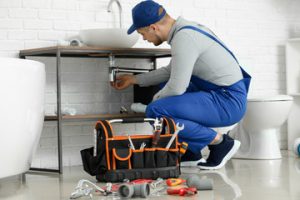
Plumbing

Plumbing is regulated by local and national codes to ensure safe and functional operation. Plumbers follow these standards and perform regular inspections to identify and address issues before they become larger problems. Visit https://www.castlerockplumbingllc.com/ to learn more.

Plumbing is the network of pipes, fixtures, and appliances that bring clean water into buildings and remove wastewater. It is essential for maintaining a safe and sanitary environment. The system is made up of many parts, including water heaters, faucets, showers, toilets, and drains. Each part is important for ensuring that water flows properly through the piping system.

The history of plumbing dates back to ancient civilizations, where people developed ways to irrigate crops, provide public baths and water fountains, and remove waste. However, the modern plumbing industry really took off in the 19th century, when innovations such as cast iron pipes and sewage treatment systems allowed cities to offer residents fresh water and sanitation services that were unimaginable in previous centuries.

By the early 1800s, growing cities in the Northeast and Midwest were desperate to end the practice of letting disease-carrying raw sewage run down streets. The conditions were deplorable and the odor was unbearable. The city of Chicago solved the problem by installing an integrated sewer system. The system was a huge success and became a model for other urban areas to follow suit.

Today, plumbing is regulated at the federal and state levels. Federal regulations focus on broad issues such as water quality and lead content in plumbing materials, while state regulations are more specific and tailored to local conditions. For example, state codes may require water-saving fixtures or mandate that a certain level of wastewater be treated before being returned to the environment. They also set minimum standards for piping size, material thickness, and fittings. In addition to regulating the installation and use of plumbing equipment, government agencies also oversee testing and certification.

Functions

Plumbing is the system of pipes and fixtures that delivers clean water and removes wastewater, ensuring health, safety, and comfort for building occupants. It involves the installation, repair, and maintenance of these systems in residential homes, commercial buildings, and industrial facilities. The key concepts in plumbing are water supply, drainage, and venting. The design and construction of these systems must comply with building codes and standards to ensure functionality and safety.

A plumbing system consists of pipes that transport water, fittings that connect sections of pipe, and valves that control the flow of water. Pipes must be durable, leak-proof, and capable of withstanding pressure variations. Fittings, including elbows, tees, couplings, and valves, connect pipe segments and change the direction of water flow. Valves shut off or release water to control flow and pressure, and they also protect against backflow.

Water supply systems deliver fresh, potable water to fixtures like sinks, toilets, and showers. These systems are regulated by a water meter to prevent excessive use and conserve water resources.

Drainage plumbing safely removes wastewater from fixtures and appliances. This system includes drain pipes, traps, and the sewage line that transports sanitary waste to the sewer system or septic tank. These systems must be designed to avoid sewage leaks that could contaminate freshwater and the structure of the building.

Venting systems provide air circulation in a plumbing system. These systems help reduce humidity, condensation, and moisture buildup that can damage pipes and fixtures. They also help prevent toxic fumes from escaping water heaters and other appliances. Plumbing is a complex and vital aspect of any home or building. Regular inspections and repairs can keep it running smoothly and minimize the risk of water damage.

Materials

From bringing water to your faucets to transporting waste to your sewage system, plumbing pipes are the backbone of your home’s plumbing. Pipes are available in a variety of materials, each with their own set of benefits and drawbacks. Understanding these different types of pipes can help you make the best decision for your needs.

Copper pipes have long been the standard in plumbing, due to their durability and longevity. They are also corrosion-resistant, making them ideal for potable (drinking) water lines. However, copper pipes are expensive and require skilled work to install. They can also corrode over time, especially when exposed to acidic water.

PVC is a more affordable alternative to copper and galvanized steel pipes. It is also durable and can withstand high temperatures, which makes it a great choice for hot water lines. Additionally, PVC is easy to cut and install with simple tools. However, it is brittle and can crack under pressure.

ABS, or Acrylonitrile Butadiene Styrene, is another common type of plumbing pipe. It is known for its resistance to impact, and it can be used in colder climates because of its low freezing point. However, it can warp when exposed to sunlight and is noisier than other types of plumbing pipes.

Other types of plumbing pipes include galvanized steel and cast iron. Galvanized steel pipes are rust-resistant and can handle heavy water pressure, making them a good choice for industrial plumbing systems. However, they are prone to corrosion over time and may leak if not properly maintained. Cast iron pipes are more resilient but are prone to rust and corrosion as well.

Regulations

The plumbing industry is governed by a complex set of standards and regulations. These codes ensure safety, sanitation, and sustainable use of resources like water and energy. Each region, state, and city may have its own unique set of rules and regulations, which are influenced by national standards but tailored to local conditions. In addition to ensuring health and safety, these codes protect property by minimizing the risk of damage caused by improper installation or maintenance.

The regulations also dictate proper pipe sizing to ensure adequate water supply and drainage without causing overflow or other problems. They also restrict the use of certain materials based on their durability and environmental impact. These restrictions are intended to reduce the ecological footprint of residential and commercial buildings. They also help lower utility bills and prevent water damage.

Most codes require that drain lines be slanted uniformly toward the closest waste pipe to avoid sewage backups. They also mandate that cleanouts be accessible to permit inspection and repair of the plumbing system. In some cases, it is necessary to install backflow preventers to stop contaminated water from flowing into the potable water supply.

In addition to these general requirements, plumbing codes set standards for the design and installation of specific fixtures and appliances. For example, the ICC’s Uniform Plumbing Code, Section G, requires that all plumbing systems be equipped with an air gap to prevent the backflow of vapors and gases from the pressure of hot water. Section G also requires that domestic cast iron soil pipes be tested and approved by a third party to ensure their conformance to the industry’s minimum specifications. CISPI representatives participate in the ICC code development process to ensure that our domestic cast iron soil pipe products are referenced appropriately.

Certifications

Plumbing is a skilled profession, and while it can be learned through resources like DIY tutorials, it’s important to pursue formal training. Many trade schools and apprenticeship programs offer accredited courses that can prepare you for the field. They typically take 1-2 years to complete, and include both hands-on training and online coursework. Additionally, some programs also provide practice tests that can help you prepare for your licensing exam.

Many states require plumbers to have a license in order to work legally. The requirements vary from state to state, but most have three levels: apprentice, journeyman, and master plumber. Some states have different requirements for each level, but most build on the others and require a combination of experience and testing.

In Wisconsin, a plumber needs to pass an exam and obtain a business and law license. In addition, they must submit a notarized affidavit of their plumbing work experience and pay a fee. A license must be renewed every two years.

A certification can make you more competitive in the job market, especially if you’re a newbie. The cost of a certification varies depending on the program you choose, but some programs are very affordable. Additionally, some programs can be completed in a very short period of time, so you can start your career as soon as possible.

There are many ways to become a plumber, from enrolling in a program at an accredited school like SkillCat to participating in an apprenticeship. These programs are often cheaper than traditional college courses and can teach you the practical and theoretical skills you need to succeed in this lucrative industry. Additionally, they can provide you with the proper credentials to begin your own plumbing company.
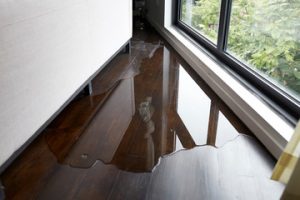
Water Damage Restoration

Residential Water Damage Restoration: Protecting Your Home After Flooding or Leaks

Residential water damage restoration is one of the most critical services a homeowner may ever need. Whether caused by heavy rainfall, plumbing failures, appliance malfunctions, roof leaks, or foundation cracks, water intrusion can quickly escalate from a minor inconvenience into a major structural and financial problem. When flooding or leaks occur, immediate and professional water damage restoration is essential to protect your home, safeguard your belongings, and prevent long-term complications such as mold growth and structural deterioration.

Understanding the importance of residential water damage restoration begins with recognizing how destructive water can be. Water does not simply sit on the surface. It seeps into flooring, penetrates drywall, saturates insulation, and compromises wooden framing. Within hours, materials begin to weaken. Within days, secondary damage such as microbial growth can develop. The longer moisture remains untreated, the more extensive and costly repairs become. Professional Water Damage Restoration Salt Lake City services are designed to intervene quickly, mitigate further harm, and return your property to a safe, dry, and stable condition.

water damage

The Immediate Impact of Water Damage on a Home

Water damage affects nearly every component of a residential property. Flooring materials such as hardwood, laminate, and carpet absorb moisture rapidly. Subfloors can swell and warp, while baseboards and trim detach from walls. Highly porous drywall acts like a sponge, allowing water to travel vertically and horizontally through interior walls. Insulation loses its effectiveness once saturated, increasing energy costs and creating hidden moisture pockets.

Beyond visible surfaces, water intrusion can compromise electrical systems, HVAC components, and structural supports. Prolonged exposure to moisture weakens wooden beams and promotes corrosion in metal fasteners. Even a small leak behind a wall can quietly deteriorate framing members over time. Residential water damage restoration focuses not only on drying visible areas but also on identifying and addressing hidden moisture that could threaten the integrity of the home.

Another critical concern is indoor air quality. Standing water and damp materials create an ideal environment for mold spores to grow and spread. Mold can begin developing within 24 to 48 hours under the right conditions. Once established, it releases spores into the air, potentially affecting respiratory health and triggering allergies. Proper restoration includes moisture control, dehumidification, and sanitization to minimize these risks.

The Residential Water Damage Restoration Process

Professional water damage restoration follows a systematic, science-based approach. Each phase is designed to stabilize the property, remove moisture, and restore damaged materials efficiently and safely. While the specific steps may vary depending on the severity of the damage, the core process generally includes the following stages:

  1. Inspection and Damage Assessment
    Technicians begin by thoroughly evaluating the affected areas using moisture meters, thermal imaging devices, and other diagnostic tools. This assessment identifies the source of water, categorizes the level of contamination, and determines the extent of structural impact. Accurate evaluation ensures that no hidden moisture pockets are overlooked.
  2. Water Extraction and Removal
    High-powered extraction equipment removes standing water from floors, carpets, and other surfaces. Rapid water removal is critical to minimizing further absorption into building materials. The faster excess water is eliminated, the lower the risk of swelling, warping, and mold growth.
  3. Structural Drying and Dehumidification
    After extraction, industrial-grade air movers and dehumidifiers are strategically placed to promote airflow and accelerate evaporation. Structural drying targets moisture embedded within walls, subfloors, and framing components. Controlled drying conditions prevent secondary damage, such as cracking or splitting of materials.
  4. Cleaning, Sanitization, and Odor Removal
    Affected surfaces are cleaned and disinfected to eliminate contaminants. Antimicrobial treatments may be applied to prevent microbial growth. Odor removal techniques address musty smells caused by damp materials, helping restore a healthy indoor environment.
  5. Repairs and Restoration
    The final stage involves repairing or replacing damaged materials such as drywall, flooring, and insulation. In minor cases, restoration may be limited to repainting or minor repairs. In more difficult situations, reconstruction of affected areas may be required.

This structured process ensures that water damage restoration addresses both immediate and long-term concerns, protecting the home from ongoing deterioration.

Why Speed Matters After Flooding or Leaks

Time is one of the most important factors in residential water damage restoration. The progression of damage occurs rapidly, often in clearly defined stages. Within minutes, water spreads throughout the property, saturating porous materials. Within hours, wood swells and finishes begin to discolor. Within days, mold colonies can develop and spread.

Delaying restoration increases repair costs exponentially. What could have been resolved through drying and minor repairs may escalate into full material replacement and mold remediation. Prompt response limits structural damage, preserves personal belongings, and reduces the likelihood of extensive reconstruction.

Additionally, insurance claims related to water damage often require documentation of mitigation efforts. Quick action demonstrates responsible property management and may help streamline the claims process. Professional restoration providers document moisture levels, drying progress, and completed work, providing valuable records for property owners.

Common Causes of Residential Water Damage

Understanding the common sources of water intrusion can help homeowners take preventive measures. While flooding from severe weather is a well-known cause, many water damage incidents originate from internal systems. Common causes include:

  1. Plumbing Failures – Burst pipes, leaking joints, and aging supply lines can release significant amounts of water into walls and floors.
  2. Appliance Malfunctions – Washing machines, dishwashers, and water heaters may leak due to hose failures or internal component breakdown.
  3. Roof Leaks – Damaged shingles or flashing allow rainwater to enter attic spaces and ceiling cavities.
  4. Clogged Gutters and Downspouts – Improper drainage can cause water to pool around the foundation and seep into basements.
  5. Foundation Cracks – Structural cracks permit groundwater infiltration during heavy rainfall.

By identifying these vulnerabilities early, homeowners can reduce the likelihood of severe water damage and the need for extensive restoration.

The Financial Benefits of Professional Restoration

Some homeowners consider handling water cleanup themselves, especially in cases of minor leaks. However, professional residential water damage restoration offers significant financial advantages in the long term. While DIY efforts may remove visible water, they often fail to address hidden moisture within structural components. Incomplete drying can result in mold remediation expenses, structural repairs, and recurring issues that far exceed the initial cost of professional service.

Professional restoration minimizes replacement costs by preserving salvageable materials. Advanced drying techniques allow hardwood flooring, cabinetry, and structural framing to be restored rather than replaced whenever possible. This targeted approach reduces material waste and overall expenses.

Moreover, professional services reduce business disruption for those operating home-based enterprises and minimize the time a family must relocate during repairs. Efficient restoration shortens recovery time, allowing homeowners to return to normal routines quickly.

Protecting Indoor Air Quality and Health

Beyond structural concerns, residential water damage restoration plays a critical role in protecting occupant health. Damp environments encourage the growth of bacteria and mold, which can release airborne particles. Exposure to these contaminants may trigger respiratory symptoms, allergies, and other health issues, particularly in sensitive individuals.

Comprehensive drying and sanitization eliminate moisture sources that support microbial growth. Dehumidification controls indoor humidity levels, preventing recurring issues. Odor removal techniques also improve air quality by eliminating musty smells associated with damp materials. By addressing these factors thoroughly, professional restoration supports a healthier indoor living environment.

Preventive Measures to Reduce Future Water Damage

While restoration services are invaluable after an incident, proactive maintenance can significantly reduce risk. Homeowners should adopt preventive strategies to protect their properties, including:

  1. Regular Plumbing Inspections – Periodically checking pipes, fittings, and appliance connections can identify early signs of leaks.
  2. Roof and Gutter Maintenance – Keeping roofing materials in good condition and ensuring proper drainage prevents water infiltration.
  3. Installing Leak Detection Devices – Smart sensors can alert homeowners to water presence before significant damage occurs.
  4. Maintaining Proper Ventilation – Adequate airflow in kitchens, bathrooms, and basements reduces humidity buildup.

Preventive action complements residential water damage restoration by minimizing the likelihood of recurring problems.

Long-Term Property Value Protection

A home represents a significant financial investment. Water damage that is not properly addressed can reduce property value and complicate future resale. Stains, warped flooring, and persistent odors create negative impressions during property inspections. Hidden moisture issues discovered during buyer evaluations can delay or derail transactions.

Professional water damage restoration preserves structural integrity and aesthetic appeal, helping maintain long-term value. Thorough drying and documentation provide reassurance that issues were resolved properly. By investing in comprehensive restoration, homeowners protect both their immediate living environment and their future financial interests.

Residential water damage restoration is not merely about removing water; it is about protecting a home from escalating structural damage, preserving indoor air quality, and safeguarding financial investment. Flooding and leaks can occur unexpectedly, but prompt and professional intervention makes a measurable difference in the extent of damage and overall recovery cost.

Through systematic assessment, water extraction, structural drying, sanitization, and restoration, professionals ensure that homes are returned to safe and stable conditions. Acting quickly after water intrusion reduces long-term expenses, prevents secondary damage such as mold growth, and supports a healthy living environment.

For homeowners facing flooding or leaks, understanding the importance of professional water damage restoration is the first step toward recovery. By responding promptly and relying on experienced restoration techniques, property owners can protect their homes, preserve their investments, and regain peace of mind after unexpected water damage.