Tree Services

How to Evaluate Tree Removal Before Climbing

Tree removal is a big job that requires the skills of trained professionals. Before starting any work, it’s important to do a thorough evaluation.

Fallen limbs can cause damage to cars, outdoor furniture, and structures. In addition, they can disrupt power lines and contaminate soil.
Tree Removal

Also, some trees are undesirable due to brittleness or excessive fruiting. Some even have invasive root systems.

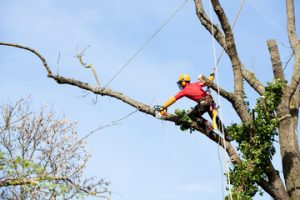
Climbing is an effective method for removing trees, but it requires careful attention to safety and proper technique. There are many different types of climbing, from mountaineering to urban climbs. This is a great option for homeowners who want to remove an unwanted tree or for those who don’t have access to a chainsaw. Climbing is also a great way to get exercise and enjoy the outdoors. It’s important to have the right equipment for tree removal, including a harness and rope. The first step in this process is to clear the area around the tree. This will allow the climber to move quickly and efficiently. Then, the climber should assess the tree’s condition and determine whether it is safe to be removed.

The next step is to secure the rope. The climber should place the ends of the rope at different points along the tree, then tie them together. This will prevent the rope from catching on branches and damaging them. The climber should also be sure to use the correct knots. A knot like a clove hitch is appropriate for most situations. A square knot is more secure in windy conditions.

Once the climber is secure, he or she can begin to ascend the tree. To do this, the climber should crouch down and push off the ground with their arms. They should then extend their legs and grab the trunk of the tree. This technique is called the front-foot or frog technique. It’s best for skinny trees, such as coconut trees.

Recreational tree climbing is a fun and engaging activity for adults and children alike. It allows participants to explore the forest canopy in a unique way and learn valuable skills. It’s an excellent addition to any camp or nature center program. It also helps participants develop self-confidence and critical thinking.

This program is a four-day hands-on course that will teach students how to climb trees and prune safely. It’s ideal for individuals who want to take a closer look at the canopy and learn how to maintain trees on their own. The course will cover all aspects of tree climbing, from gear selection to essential knot tying. The course is not suitable for those with disabilities that limit their full range of motion or impair manual dexterity.

Crane

When a tree’s height or location makes it too dangerous to use climbing techniques, or if your property is limited in space and access, cranes are often the best way to go. The right crane must be equipped with the capacity and reach needed to safely remove the tree, as well as be able to maneuver over any obstacles that may stand in its way. The type of terrain, the size and placement of nearby structures, and other factors will also play a role in the crane’s capabilities.

Crane-assisted removal is a versatile and efficient option for large trees in difficult-to-reach spaces, as it allows professionals to precisely control where each cut section goes, minimizing the risk of damage to buildings or other property. It’s a great choice for urban or suburban properties with power lines, houses, or other structures in close proximity. Rigging is another precise tree removal technique that can be used for medium-sized trees in tight environments. It’s more time-consuming than crane-assisted removal, but it provides a level of control that’s not easily achievable using other methods.

Both crane-assisted and rigging are gentle on your yard, as the tree sections are lifted directly over your property instead of falling on them from above. This minimizes soil disruption and landscape damage, especially important if you have fragile landscaping or infrastructure like patios or driveways in the area. Traditional felling can be more destructive, especially in open areas, causing ground damage and leaving behind larger debris that requires more extensive cleanup.

If you’re considering crane-assisted removal or rigging, it’s important to find an experienced arborist with the proper licensing and insurance required by your state. Choosing a licensed and insured company will help to ensure the safety of everyone involved in the process, as well as protect you from any liability issues that might arise during or after the work is completed. Be sure to ask for references and check the company’s website for reviews to learn more about their experience, professionalism, and customer service. By taking the time to compare different tree removal methods, you can select the right one for your needs and ensure a successful and safe project.

Chainsaw

A chainsaw is a powerful piece of machinery that can cut through the toughest trees. It consists of a saw blade built into a chain wrapped around a guide bar and powered by a small gasoline (or sometimes electric) engine. There are a number of important safety measures to follow when using this tool, such as properly adjusting the chain and ensuring it is in good working condition. It is also important to understand how the chainsaw works before using it, as this can help prevent accidents.

The chainsaw’s guides are designed to provide a path for the chain while it is cutting. The guide bar is made from a sturdy material that can withstand the intense mechanical strains of the saw’s operation. The chain, which is a series of sharp steel teeth attached to the guide bars, acts like a chisel as it cuts through wood. The chain should be tightly fitted and well-tensioned so that it can cut through wood without binding. If the chain is too loose it can derail and cause injury, while if it is too tight it will create friction that can reduce efficiency and lead to the chain jumping off the guide bar.

When starting a chainsaw, it is important to make sure that the chain brake is engaged and the throttle is closed. This will ensure that the chainsaw cannot accidentally start while you are handling it. It is also important to check that the chain oil is flowing properly, as this can prevent damage and increase the life of the saw. To test the flow, hold the saw over a light-colored surface, such as a stump or gravel, and activate the chain brake by pushing your wrist against the kickback protection. If the chain stops rotating immediately, the oil is flowing properly.

While operating a chainsaw, it is important to keep it away from other people, animals and vehicles. It is also important to keep it away from buildings and utility lines. If you are cutting a tree near power lines, it is important to contact the appropriate utilities before beginning work.

Chemical

Trees are essential for the environment, but they can also cause problems. Sometimes, it is necessary to remove a tree from your property. It may be because it is overgrowing your garden, obstructing a view or even posing a safety risk. The removal of a tree is usually done by grinding the stump and burning the wood, but there are other methods as well. These include the use of chemicals like potassium nitrate, copper sulfate or muriatic acid. However, the use of these chemicals is not advisable because it can be toxic to people and animals.

Chemicals offer an economical approach to stump removal, particularly for homeowners who have multiple stumps to remove. They work by accelerating the natural decay process through a chemical solution applied through drilled holes in the stump. However, they are not suitable for all types of trees and can take several months to complete the process. It is important to understand the limitations of this method and be patient before attempting it.

To prepare for chemical stump removal, homeowners must clear the area surrounding the stump to prevent fires caused by the decomposition of the wood. They should also wear protective equipment to minimize the risk of contact with toxins and sharp tools. Keeping children and pets away from the stump during treatment is another safety precaution. It is also recommended to have a designated workspace that is not in proximity to the home or any other plants, as the chemicals could spill and cause environmental damage.

Before attempting to use a chemical, it is essential to understand the manufacturer’s instructions and safety precautions. Proper handling of the product ensures maximum effectiveness and reduces the risk of injury or illness. Inhalation and ingestion of chemicals can be harmful, so wearing a mask is important. It is also crucial to use a safe disposal technique to prevent contamination of the soil and surrounding vegetation.

Once the chemical has been applied, it takes four to eight weeks for the stump to rot and soften. It is then easier to remove with a shovel or axe. It is still necessary to break apart the stump manually, though, to prevent it from collapsing.
General Contractor

Commercial Construction Insights: How General Contractors Deliver Large-Scale Projects

Commercial construction projects are among the most complex and demanding undertakings in the built environment. From office buildings and retail centers to industrial facilities and multi-use developments, these large-scale projects require a high level of coordination, technical expertise, and strategic planning. At the center of it all is the general contractor—the entity responsible for transforming a concept into a fully realized structure. Understanding how general contractors deliver large-scale projects provides valuable insight into what makes commercial construction successful.

general contractors

Unlike smaller residential builds, commercial construction involves a broader scope of work, stricter regulatory requirements, and significantly higher stakes. Projects often operate under tight deadlines and budgets while requiring coordination among multiple stakeholders, including architects, engineers, subcontractors, and project owners. General contractors act as the central hub that connects all these moving parts, ensuring that every phase of the project progresses efficiently and in alignment with the overall vision. Click on https://jrcsi.com/ for more information.

The foundation of any successful commercial construction project begins with comprehensive planning. Before a single piece of equipment is brought to the site, general contractors engage in detailed pre-construction activities. This phase includes reviewing architectural plans, conducting feasibility studies, estimating costs, and identifying potential risks. By addressing these elements early, contractors can develop a clear roadmap that guides the project from start to finish.

One of the most critical responsibilities during pre-construction is budgeting and cost control. Large-scale projects involve substantial financial investments, making accurate cost estimation essential. General contractors analyze every aspect of the project, from materials and labor to equipment and permits, to create a realistic budget. They also implement cost management strategies to prevent overruns, ensuring that the project remains financially viable.

Another key component of pre-construction is scheduling. Time is a crucial factor in commercial construction, as delays can lead to increased costs and lost revenue opportunities. General contractors develop detailed project timelines that outline each phase of construction, from site preparation to final inspections. These schedules are carefully coordinated to ensure that tasks are completed in the correct sequence, minimizing downtime and maximizing efficiency.

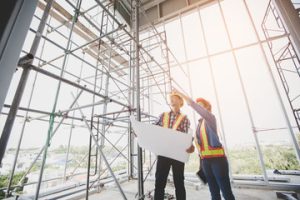
Once planning is complete, the project moves into the construction phase, where execution becomes the primary focus. This is where general contractors truly demonstrate their ability to manage complexity. They oversee all on-site activities, coordinate subcontractors, and ensure that work is performed according to specifications. From excavation and foundation work to structural framing and finishing, every stage requires precise coordination and attention to detail.

Managing subcontractors is one of the most challenging aspects of commercial construction. Each trade—whether electrical, plumbing, or structural—plays a vital role in the project. General contractors are responsible for selecting qualified subcontractors, negotiating contracts, and ensuring that each team delivers high-quality work on schedule. Effective communication and collaboration are essential for maintaining a smooth workflow and preventing conflicts.

To better understand how general contractors handle large-scale projects, it is helpful to break down their core responsibilities:

  1. Project Planning and Coordination – Developing strategies, schedules, and workflows to guide the project.
  2. Cost Estimation and Budget Management – Controlling expenses and ensuring financial accountability.
  3. Subcontractor Management – Hiring, coordinating, and overseeing specialized trades.
  4. Quality Assurance and Control – Ensuring that all work meets established standards and specifications.
  5. Compliance and Safety Oversight – Adhering to regulations and maintaining a safe work environment.

Each of these responsibilities contributes to the overall success of the project, highlighting the multifaceted role of general contractors.

Quality control is another critical aspect of commercial construction. Large-scale projects must meet strict performance and safety standards, making attention to detail essential. General contractors implement quality assurance processes to monitor workmanship and ensure that materials and methods align with project requirements. Regular inspections and testing help identify potential issues early, allowing for timely corrections and preventing costly rework.

Safety is equally important in commercial construction, where the scale and complexity of work can introduce significant risks. General contractors establish comprehensive safety protocols to protect workers, equipment, and the surrounding environment. This includes providing training, enforcing the use of protective equipment, and conducting regular safety inspections. By prioritizing safety, contractors not only comply with regulations but also create a more productive and reliable work environment.

Technology is playing an increasingly important role in modern commercial construction. General contractors are leveraging advanced tools and software to improve efficiency and accuracy. Building information modeling (BIM), project management platforms, and real-time data tracking allow for better visualization, communication, and decision-making. These technologies help streamline processes, reduce errors, and enhance collaboration among project teams.

Communication is a cornerstone of successful project delivery. With multiple stakeholders involved, clear and consistent communication is essential for maintaining alignment and resolving issues. General contractors serve as the primary point of contact, ensuring that everyone is informed and working toward the same objectives. Regular meetings, progress reports, and updates help keep the project on track and foster a collaborative environment.

As the project progresses, general contractors must also manage changes and unforeseen challenges. In large-scale construction, it is common for unexpected issues to arise, such as design modifications, material shortages, or site conditions that differ from initial assessments. Contractors must be prepared to adapt quickly, implementing solutions that minimize disruptions and keep the project moving forward.

The final stages of a commercial construction project involve completion and handover. This phase includes finishing work, conducting final inspections, and ensuring that all systems are operational. General contractors coordinate with inspectors and stakeholders to verify that the project meets all requirements and is ready for use. Any remaining issues are addressed promptly to ensure a smooth transition.

To ensure a successful outcome, general contractors often follow a set of best practices that guide their approach to large-scale projects:

  1. Thorough Planning – Investing time in detailed preparation to reduce risks and uncertainties.
  2. Strong Leadership – Providing clear direction and maintaining accountability across all teams.
  3. Effective Communication – Keeping all stakeholders informed and aligned throughout the project.
  4. Proactive Problem-Solving – Anticipating challenges and addressing them before they escalate.
  5. Commitment to Quality and Safety – Prioritizing high standards and protecting everyone involved.

These practices form the foundation of successful project delivery, enabling contractors to navigate the complexities of commercial construction with confidence.

Another important consideration in commercial construction is sustainability. Many projects now incorporate environmentally friendly practices and materials to reduce their impact. General contractors play a key role in implementing these initiatives, from selecting sustainable materials to optimizing energy efficiency. This not only benefits the environment but also enhances the long-term value and performance of the building.

In addition to sustainability, general contractors must also consider the long-term functionality of the structures they build. Commercial buildings are designed to support a wide range of activities, and their performance over time is critical. Contractors work closely with designers and engineers to ensure that the final product meets the needs of its users while maintaining durability and efficiency.

In conclusion, delivering large-scale commercial construction projects requires a combination of expertise, organization, and adaptability. General contractors serve as the driving force behind these projects, managing every detail from initial planning to final completion. Their ability to coordinate teams, control costs, ensure quality, and navigate challenges is essential for achieving successful outcomes. By understanding the processes and strategies involved, property owners and stakeholders can gain a deeper appreciation for the complexity of commercial construction and the value that experienced general contractors bring to the table.