Commercial construction projects are among the most complex and demanding undertakings in the built environment. From office buildings and retail centers to industrial facilities and multi-use developments, these large-scale projects require a high level of coordination, technical expertise, and strategic planning. At the center of it all is the general contractor—the entity responsible for transforming a concept into a fully realized structure. Understanding how general contractors deliver large-scale projects provides valuable insight into what makes commercial construction successful.
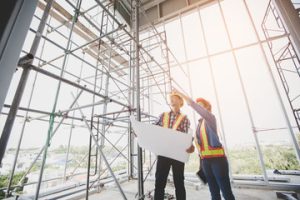
Unlike smaller residential builds, commercial construction involves a broader scope of work, stricter regulatory requirements, and significantly higher stakes. Projects often operate under tight deadlines and budgets while requiring coordination among multiple stakeholders, including architects, engineers, subcontractors, and project owners. General contractors act as the central hub that connects all these moving parts, ensuring that every phase of the project progresses efficiently and in alignment with the overall vision. Click on https://jrcsi.com/ for more information.
The foundation of any successful commercial construction project begins with comprehensive planning. Before a single piece of equipment is brought to the site, general contractors engage in detailed pre-construction activities. This phase includes reviewing architectural plans, conducting feasibility studies, estimating costs, and identifying potential risks. By addressing these elements early, contractors can develop a clear roadmap that guides the project from start to finish.
One of the most critical responsibilities during pre-construction is budgeting and cost control. Large-scale projects involve substantial financial investments, making accurate cost estimation essential. General contractors analyze every aspect of the project, from materials and labor to equipment and permits, to create a realistic budget. They also implement cost management strategies to prevent overruns, ensuring that the project remains financially viable.
Another key component of pre-construction is scheduling. Time is a crucial factor in commercial construction, as delays can lead to increased costs and lost revenue opportunities. General contractors develop detailed project timelines that outline each phase of construction, from site preparation to final inspections. These schedules are carefully coordinated to ensure that tasks are completed in the correct sequence, minimizing downtime and maximizing efficiency.
Once planning is complete, the project moves into the construction phase, where execution becomes the primary focus. This is where general contractors truly demonstrate their ability to manage complexity. They oversee all on-site activities, coordinate subcontractors, and ensure that work is performed according to specifications. From excavation and foundation work to structural framing and finishing, every stage requires precise coordination and attention to detail.
Managing subcontractors is one of the most challenging aspects of commercial construction. Each trade—whether electrical, plumbing, or structural—plays a vital role in the project. General contractors are responsible for selecting qualified subcontractors, negotiating contracts, and ensuring that each team delivers high-quality work on schedule. Effective communication and collaboration are essential for maintaining a smooth workflow and preventing conflicts.
To better understand how general contractors handle large-scale projects, it is helpful to break down their core responsibilities:
- Project Planning and Coordination – Developing strategies, schedules, and workflows to guide the project.
- Cost Estimation and Budget Management – Controlling expenses and ensuring financial accountability.
- Subcontractor Management – Hiring, coordinating, and overseeing specialized trades.
- Quality Assurance and Control – Ensuring that all work meets established standards and specifications.
- Compliance and Safety Oversight – Adhering to regulations and maintaining a safe work environment.
Each of these responsibilities contributes to the overall success of the project, highlighting the multifaceted role of general contractors.
Quality control is another critical aspect of commercial construction. Large-scale projects must meet strict performance and safety standards, making attention to detail essential. General contractors implement quality assurance processes to monitor workmanship and ensure that materials and methods align with project requirements. Regular inspections and testing help identify potential issues early, allowing for timely corrections and preventing costly rework.
Safety is equally important in commercial construction, where the scale and complexity of work can introduce significant risks. General contractors establish comprehensive safety protocols to protect workers, equipment, and the surrounding environment. This includes providing training, enforcing the use of protective equipment, and conducting regular safety inspections. By prioritizing safety, contractors not only comply with regulations but also create a more productive and reliable work environment.
Technology is playing an increasingly important role in modern commercial construction. General contractors are leveraging advanced tools and software to improve efficiency and accuracy. Building information modeling (BIM), project management platforms, and real-time data tracking allow for better visualization, communication, and decision-making. These technologies help streamline processes, reduce errors, and enhance collaboration among project teams.
Communication is a cornerstone of successful project delivery. With multiple stakeholders involved, clear and consistent communication is essential for maintaining alignment and resolving issues. General contractors serve as the primary point of contact, ensuring that everyone is informed and working toward the same objectives. Regular meetings, progress reports, and updates help keep the project on track and foster a collaborative environment.
As the project progresses, general contractors must also manage changes and unforeseen challenges. In large-scale construction, it is common for unexpected issues to arise, such as design modifications, material shortages, or site conditions that differ from initial assessments. Contractors must be prepared to adapt quickly, implementing solutions that minimize disruptions and keep the project moving forward.
The final stages of a commercial construction project involve completion and handover. This phase includes finishing work, conducting final inspections, and ensuring that all systems are operational. General contractors coordinate with inspectors and stakeholders to verify that the project meets all requirements and is ready for use. Any remaining issues are addressed promptly to ensure a smooth transition.
To ensure a successful outcome, general contractors often follow a set of best practices that guide their approach to large-scale projects:
- Thorough Planning – Investing time in detailed preparation to reduce risks and uncertainties.
- Strong Leadership – Providing clear direction and maintaining accountability across all teams.
- Effective Communication – Keeping all stakeholders informed and aligned throughout the project.
- Proactive Problem-Solving – Anticipating challenges and addressing them before they escalate.
- Commitment to Quality and Safety – Prioritizing high standards and protecting everyone involved.
These practices form the foundation of successful project delivery, enabling contractors to navigate the complexities of commercial construction with confidence.
Another important consideration in commercial construction is sustainability. Many projects now incorporate environmentally friendly practices and materials to reduce their impact. General contractors play a key role in implementing these initiatives, from selecting sustainable materials to optimizing energy efficiency. This not only benefits the environment but also enhances the long-term value and performance of the building.
In addition to sustainability, general contractors must also consider the long-term functionality of the structures they build. Commercial buildings are designed to support a wide range of activities, and their performance over time is critical. Contractors work closely with designers and engineers to ensure that the final product meets the needs of its users while maintaining durability and efficiency.
In conclusion, delivering large-scale commercial construction projects requires a combination of expertise, organization, and adaptability. General contractors serve as the driving force behind these projects, managing every detail from initial planning to final completion. Their ability to coordinate teams, control costs, ensure quality, and navigate challenges is essential for achieving successful outcomes. By understanding the processes and strategies involved, property owners and stakeholders can gain a deeper appreciation for the complexity of commercial construction and the value that experienced general contractors bring to the table.